The challenge of a lucrative market:
What does the FDA require?
The U.S. market is undoubtedly one of the most attractive destinations for Latin American food and beverage exporters. However, access to this market is protected by one of the most demanding regulatory agencies in the world: the Food and Drug Administration (FDA).
For the import or regulatory compliance manager, a labeling error is not a minor setback; it is a barrier that can cost thousands of dollars in delays, re-labeling, or, in the worst case, the destruction of the merchandise. The priority is to ensure compliance to avoid penalties and maintain consumer confidence.
This quick guide focuses on the five pillars of FDA labeling compliance that every exporter must master.
The 5 key points of labeling for the FDA
1. The Importer of Record (IOR) and the Country of Origin
Unlike other markets, the FDA requires that every imported food product have a clear legal representative within the United States.
- Importer of Record (IOR): The label must clearly identify the importer or distributor in the US. This is mandatory compliance information, and its omission is one of the most common causes of customs detention.
- Country of Origin (Made in): The country of origin must be clearly and legibly stated.
2. The Nutrition Facts Label Format
The most common mistake is assuming that the nutrition facts label from your home country is valid in the US. It is not. The FDA requires a specific format, the “Nutrition Facts Label,” which has strict rules about font size, serving sizes (and how they are declared), and the nutrients that must be listed.
It is essential to correctly validate nutritional content in accordance with current regulations and, crucially, to convert formats to comply with US standards.
3. Ingredient and Allergen Declaration
The FDA is adamant about transparency. The list of ingredients must be accurate and, most importantly, major food allergens must be correctly declared (according to the FALCPA law).
Our review service includes the validation of ingredients and allergens to ensure compliance with these regulations, avoiding public health risks and severe penalties.
4. Units of Measurement: From the International System to the Imperial System
Latin America operates under the International System (SI) (grams, milliliters). The United States requires that the net content be declared first in the imperial system (e.g., fluid ounces, pounds) followed by the metric system in parentheses.
An error in unit conversion or net content declaration format is a technical non-compliance that will halt your product.
5. Health Claims
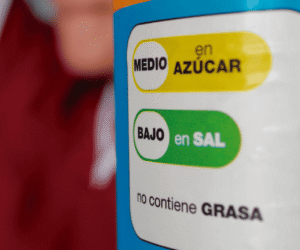
Is your product “Healthy,” “Low in Fat,” or a “Source of Fiber”? The FDA strictly regulates what can and cannot be said. A “health claim” must be scientifically substantiated and approved by the agency. Using a claim not permitted is considered misleading labeling and is grounds for rejection.
Avoid penalties with an analytical approach
For the detail-oriented and demanding professional, attempting to navigate FDA regulations without expert guidance is an operational risk. The key to success is not only knowing the rules, but applying them accurately and quickly.
A partner with detailed knowledge of each country's regulations can transform a complex process into a successful product launch, ensuring that your label is ready for any audit and, most importantly, ready for the US consumer.